
Growing a food forest on old terraces
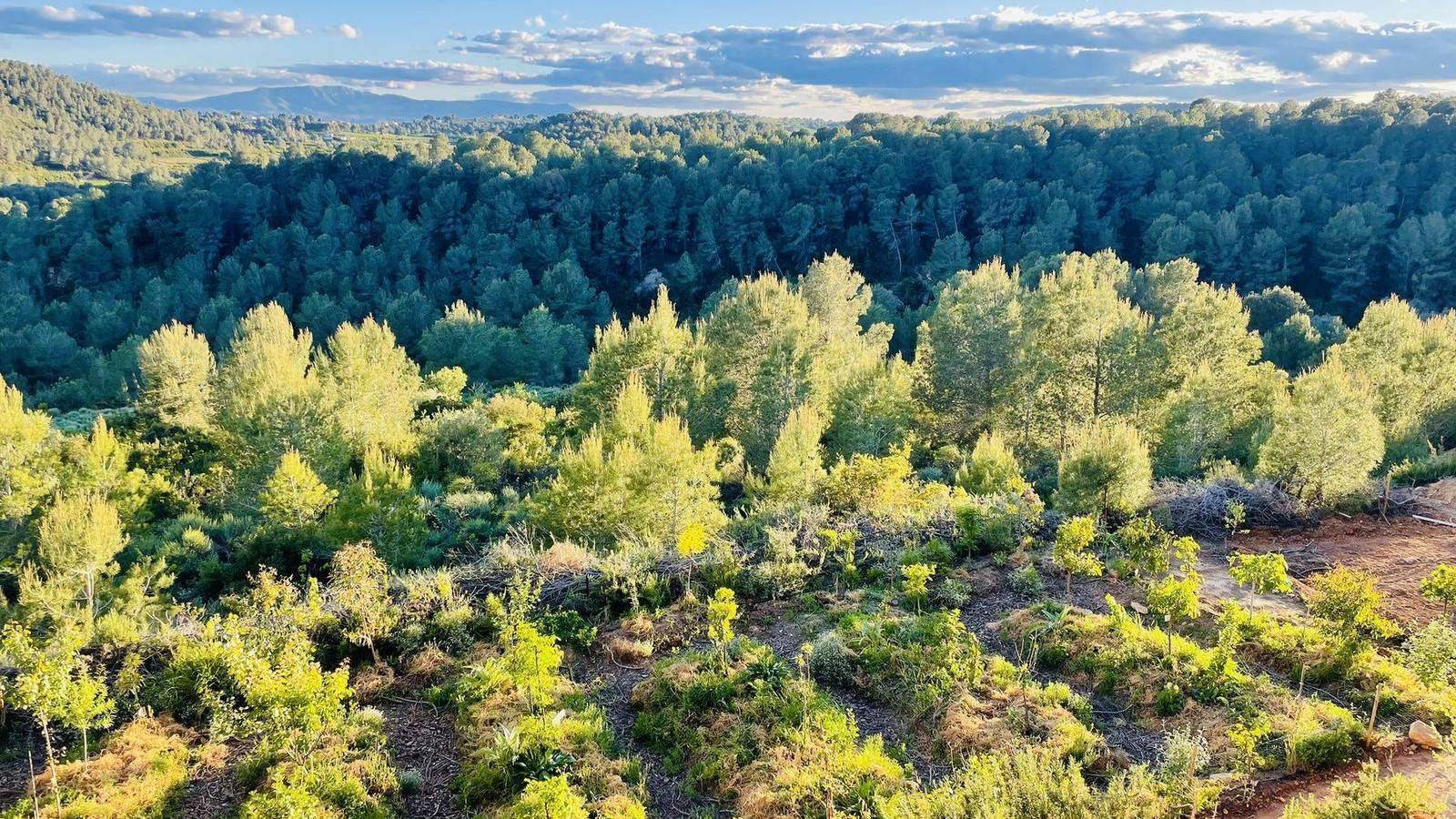
When we first walked the lower terraces of Cañada del Cura, they were dry, hard and quiet. Good bones — the old stone walls still held the soil in place — but the land had been waiting a long time for someone to work with it again.
Instead of a conventional vegetable garden, we chose to plant a food forest: an ecosystem designed on permaculture principles to imitate a natural forest while producing food. Tall fruit and nut trees form the future canopy; below them grow shrubs, herbs, climbing beans and ground covers that protect the soil and feed each other.
Water is everything
In this part of Spain, water decides what lives. Cura is off-grid, so the food forest drinks exclusively from stored rainwater, collected in the wet months and given back to the soil drop by drop through the dry summer. Mulch, shade and healthy soil life do the rest.
What ends up on your plate
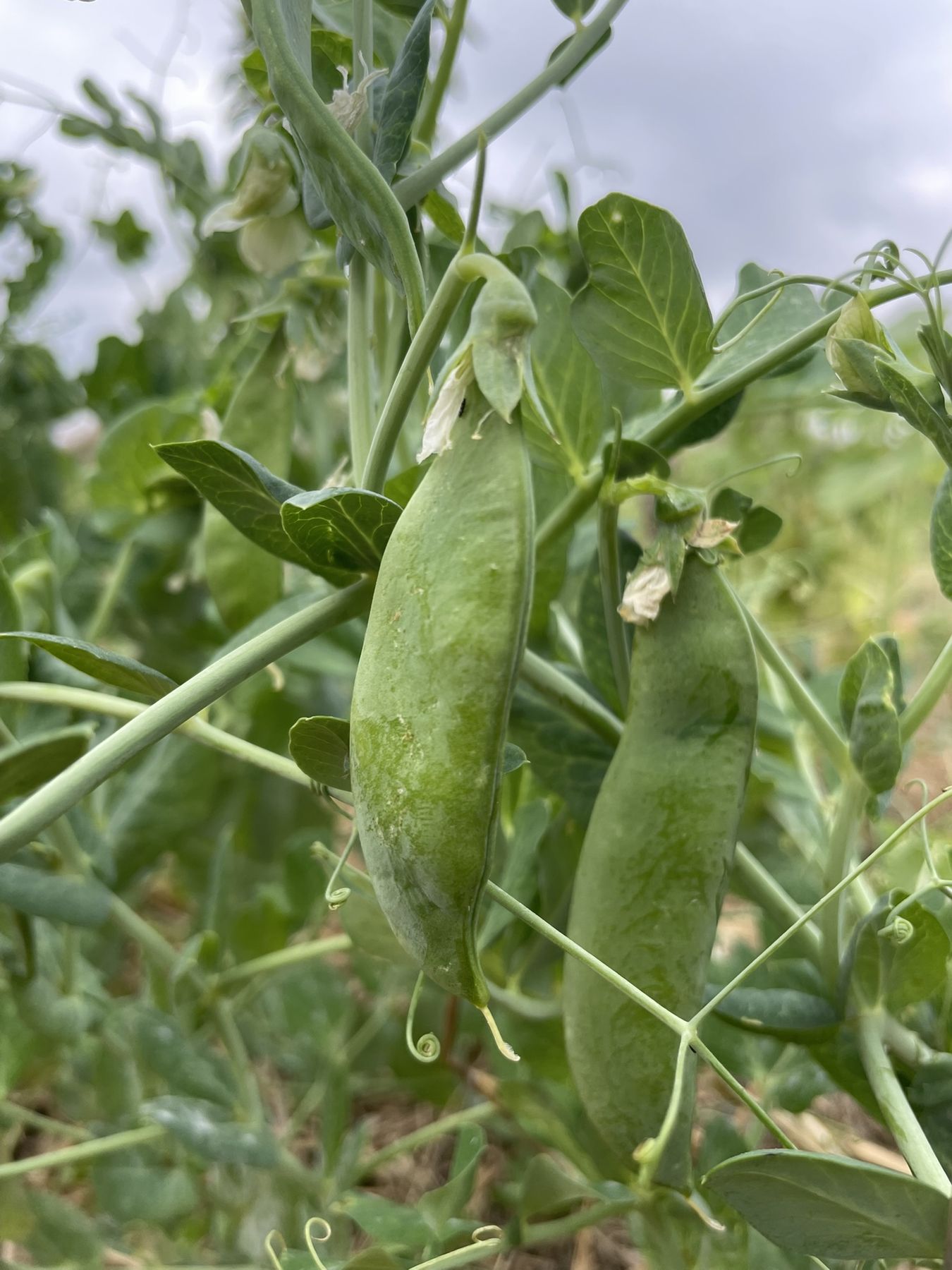
The first harvests are already finding their way to our guests: sun-warm tomatoes and aubergines, peas straight from the pod, herbs for the outdoor kitchen and flowers for the table. Every year the forest grows a little taller, the soil a little darker, and the harvest a little richer.
Guests who want to help sow, mulch or harvest are always welcome — many retreat groups build a morning in the food forest into their programme. There is something quietly powerful about eating a meal you picked yourself, looking out over the valley it grew in.